Adaptive traits in reproduction refer to characteristics that increase an organism's chances of successfully passing on their genes to the next generation. These traits can manifest in various aspects of reproduction, including:
1. Mating Strategies:
* Sexual Selection: Traits that make an organism more attractive to potential mates (e.g., bright plumage, elaborate courtship displays). This increases their chances of finding a partner and producing offspring.
* Mate Choice: The ability to choose a mate with desirable traits (e.g., good health, strong genes) can increase the fitness of offspring.
* Polygamy vs. Monogamy: Depending on the environment and resources, different mating systems (having multiple partners vs. having one partner) can be advantageous for reproduction.
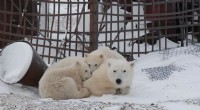
* Parental Care: Investing time and resources in raising offspring can increase their survival chances, even if it reduces the parent's ability to produce more offspring.
2. Offspring Production:
* Number of Offspring: Producing many offspring may increase the chances of some surviving, but also requires more resources per offspring, potentially impacting their survival.
* Size of Offspring: Larger offspring may be more competitive but require more resources, while smaller offspring may have a higher chance of survival in resource-limited environments.
* Timing of Reproduction: Breeding during specific seasons or at specific life stages can maximize reproductive success.
3. Physiological Adaptations:
* Fertilization Mechanisms: Adaptations for internal or external fertilization can increase the success of fertilization depending on the organism's environment.
* Gestation Period: The length of pregnancy or incubation can influence the offspring's development and survival.
* Parental Investment: Providing resources such as food, shelter, or protection can increase offspring survival chances.
4. Behavioral Adaptations:
* Nesting Strategies: Building nests or choosing suitable nesting sites can protect offspring from predators and environmental factors.
* Communication: Signals like songs, calls, or pheromones can attract mates or warn offspring of danger.
* Migration: Moving to more favorable environments during breeding season can increase reproductive success.
Understanding the Adaptive Significance:
* Natural Selection: These traits evolve through natural selection, where individuals with more successful reproductive strategies are more likely to pass on their genes.
* Environmental Context: The specific adaptive traits that are favored vary depending on the organism's environment, food resources, predators, and other environmental factors.
* Trade-offs: There are often trade-offs between different reproductive strategies. For example, investing heavily in one offspring might limit the ability to produce more.
By studying the adaptive traits of reproduction, we can gain valuable insights into the diverse strategies that organisms use to thrive and pass on their genes, contributing to the ongoing evolution of life on Earth.