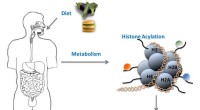
1. Digestion: Breaking it Down
* The digestive system is the first step. It breaks down the food you eat into smaller molecules that your body can absorb.
* Mouth: Starts the process with chewing and enzymes in saliva.
* Stomach: Churns food and adds acids and enzymes for further breakdown.
* Small intestine: The main absorption site. Nutrients pass through the lining of the small intestine into the bloodstream.
* Large intestine: Absorbs water and forms waste.
2. The Circulatory System Takes Over
* The circulatory system is the delivery network. It's like a vast highway system that transports nutrients throughout your body.
* Blood: This is the vehicle. It carries the absorbed nutrients from the small intestine.
* Heart: The engine that pumps blood throughout the body.
* Blood vessels: The roads. Arteries carry blood away from the heart and veins carry blood back to the heart.
3. Reaching Every Cell
* Tiny blood vessels called capillaries reach every single cell in your body.
* Nutrients are transferred from the blood into the cells. This is where the cells get the energy and building blocks they need to function.
* Waste products are picked up by the blood and transported back to the kidneys and liver for removal.
In Summary:
* The digestive system breaks down food into absorbable nutrients.
* The circulatory system picks up those nutrients from the digestive system and delivers them to every cell in your body.
* The circulatory system also removes waste products generated by cells.
This is a continuous process, ensuring that your cells have a constant supply of fuel and materials to stay alive and functioning!