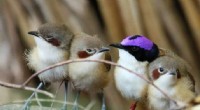
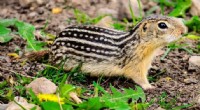
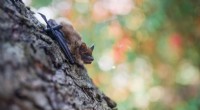
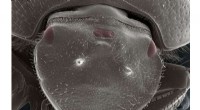
* Animals: Humans, cats, dogs, birds, fish, etc.
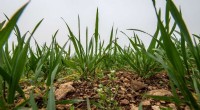
* Plants: Trees, flowers, grasses, etc.
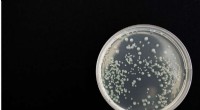
* Fungi: Mushrooms, yeasts, molds, etc.
* Protists: Amoeba, paramecium, algae, etc.
Aerobic cellular respiration is the process by which cells use oxygen to break down glucose and produce ATP (adenosine triphosphate), the primary energy currency of cells.
While all eukaryotic organisms conduct aerobic cellular respiration, some organisms (like certain bacteria) can use other types of respiration, such as anaerobic respiration.