1. Reproduction:
* Asexual Reproduction: Many organisms, like bacteria, fungi, and some plants, reproduce asexually by creating spores. This means a single parent organism can produce many genetically identical offspring.
* Sexual Reproduction: Some organisms, like ferns and mosses, use spores as part of their sexual life cycle. These spores develop into a different, haploid generation (gametophyte) that will eventually produce gametes for sexual reproduction.
2. Dispersal:
* Spores are often lightweight and easily carried by wind, water, or animals, allowing the organism to spread to new locations and colonize new areas.
* This is particularly important for organisms that need to survive in harsh environments or that are limited in their ability to move on their own.
3. Survival:
* Spores can withstand harsh conditions like extreme temperatures, drought, or radiation. They can remain dormant for long periods until conditions become favorable. This allows the organism to survive unfavorable conditions and re-establish itself when they improve.
Examples of Spore Function:
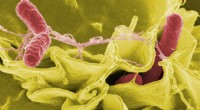
* Bacteria: Bacterial spores are highly resistant to heat, radiation, and chemicals. This allows them to survive in challenging environments and remain viable for long periods.
* Fungi: Fungi use spores for both reproduction and dispersal. They release spores into the air, where they can be carried by wind or other means to new locations.
* Plants: Ferns and mosses use spores for sexual reproduction and dispersal.
* Protists: Some protists, like algae, also use spores to reproduce.
In summary, spores are specialized cells designed for dispersal, survival, and reproduction. They are crucial for the life cycle of many organisms, allowing them to colonize new environments and survive even under harsh conditions.