Field Research & Monitoring:
* Remote sensing: Satellites, drones, and aerial photography are used for tracking animal populations, mapping habitats, and monitoring environmental changes.
* GPS tracking: Attaching GPS devices to animals allows researchers to track their movements, migration patterns, and habitat use.
* Acoustic recording devices: These devices record animal vocalizations to study communication, species identification, and population density.
* Camera traps: Automatic cameras capture images and videos of wildlife, providing valuable information about animal behavior, abundance, and interactions.
* Biologging: Tiny devices attached to animals collect data on various physiological parameters like temperature, depth, and movement, providing insights into animal behavior and physiology.
Laboratory Research:
* Microscopy: Microscopes, including electron microscopes, allow scientists to examine the cellular and molecular structure of animals.
* Molecular biology: Techniques like PCR, DNA sequencing, and gene editing are used to study animal genetics, evolution, and disease.
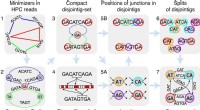
* Bioinformatics: Computational tools and databases are used to analyze large datasets from genetic studies, genomic information, and proteomics.
* Imaging techniques: MRI, CT scans, and ultrasound are used for non-invasive imaging of internal structures and organs in animals.
* Animal models: Animal models, like mice and rats, are used in controlled laboratory settings to study diseases, drug efficacy, and physiological processes.
Conservation & Management:
* GIS (Geographic Information Systems): Software that allows researchers to create maps and analyze spatial data, essential for habitat mapping and conservation planning.
* Wildlife management software: Software programs help manage wildlife populations, monitor disease outbreaks, and assess conservation efforts.
* Citizen science platforms: Online platforms engage the public in collecting data about wildlife, contributing to research and conservation efforts.
Other Important Technologies:
* Animal handling and husbandry techniques: Safe and humane methods for handling and caring for animals are crucial for research and conservation.
* Data analysis software: Software programs like R and Python are used for analyzing large datasets, statistical modeling, and data visualization.
Emerging Technologies:
* Artificial intelligence (AI): Machine learning algorithms are used to analyze large datasets, identify patterns in animal behavior, and predict species distribution.
* Genomics and CRISPR technology: Advancements in gene editing and genomics provide opportunities to understand animal evolution, disease resistance, and conservation strategies.
The choice of technology used in zoology depends on the specific research question, the type of animal being studied, and the available resources. By combining traditional methods with cutting-edge technologies, zoologists continue to unravel the mysteries of the animal kingdom and contribute to their conservation.