Here's why:
* Diversity of Organisms: The incredible diversity of life on Earth means that multicellular organisms have evolved vastly different body plans and functions. This diversity is reflected in the types of cells they possess.
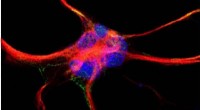
* Specialized Cells: Multicellular organisms develop specialized cells that perform specific functions. For example, humans have nerve cells for communication, muscle cells for movement, and red blood cells for oxygen transport.
* Number of Cells: The number of cells in an organism varies greatly. A single-celled amoeba is obviously much smaller than a blue whale, which has trillions of cells.
In summary:
* The types of cells and their numbers vary greatly depending on the organism's species, complexity, and function.
* This variety is a testament to the incredible diversity and adaptability of life on Earth.