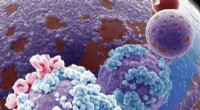
* Energy Production: Mitochondria are the powerhouses of the cell. They are responsible for cellular respiration, the process of breaking down glucose (sugar) to produce ATP, the cell's primary energy currency. This energy is vital for all cellular functions.
* Metabolic Processes: Mitochondria play a role in various metabolic processes beyond energy production. They are involved in:
* Amino acid synthesis: Building blocks for proteins
* Lipid metabolism: Breakdown and synthesis of fats
* Heme synthesis: Production of a component of hemoglobin in red blood cells
* Calcium signaling: Involved in cellular communication and regulation
* Complex Structure: Mitochondria possess a complex inner structure with folds called cristae that increase surface area for energy production. They have their own DNA and ribosomes, suggesting an independent origin in the evolutionary past.
* Essential for Life: Mitochondria are essential for the survival of most eukaryotic cells (cells with a nucleus). Without them, cells would lack the energy needed to perform their functions.
The intricate processes, complex structure, and essential role of mitochondria in cellular life make them aptly described as the "biochemical machines" of the cell.