Producers:
* Sunlight: Producers, primarily plants, use sunlight as their energy source for photosynthesis. The amount of sunlight, its intensity, and its duration affect plant growth and productivity.
* Water: Water is crucial for photosynthesis and for the transport of nutrients within plants. Rainfall patterns, water availability, and soil moisture influence plant growth and distribution.
* Temperature: Temperature influences the rate of photosynthesis, the growth of plants, and the survival of different plant species.
* Soil: Soil provides physical support and essential nutrients (nitrogen, phosphorus, potassium) for plants. Soil pH, texture, and mineral content significantly affect plant growth.
Consumers:
* Producers: Consumers rely on producers for food and energy. The abundance and variety of producers directly impact the number and types of consumers in an ecosystem.
* Water: Consumers need water for various bodily functions, including digestion and temperature regulation. Water availability can affect their survival and distribution.
* Temperature: Temperature affects the metabolic rate and activity levels of consumers. Extreme temperatures can lead to stress or even death.
* Shelter: Abiotic factors like rocks, caves, and vegetation provide shelter for consumers, offering protection from predators and weather.
Decomposers:
* Dead organisms: Decomposers (fungi and bacteria) break down dead organic matter from producers and consumers, releasing nutrients back into the ecosystem. The amount of organic matter available influences their activity.
* Temperature and Moisture: Decomposers thrive in specific temperature and moisture conditions. They are active in warm, moist environments and less so in cold, dry conditions.
* Soil: Decomposers play a key role in soil formation and nutrient cycling. They break down organic matter and release essential nutrients like nitrogen and phosphorus, making them available for producers.
Interdependence:
* Nutrient Cycling: The interactions between producers, consumers, and decomposers with abiotic factors drive nutrient cycling. Producers take up nutrients from the soil, consumers obtain nutrients by consuming producers, and decomposers return nutrients to the soil.
* Energy Flow: The flow of energy through an ecosystem is dependent on the interactions between living organisms and abiotic factors. Sunlight provides the initial energy source for producers, which is then passed on to consumers and decomposers.
Example:
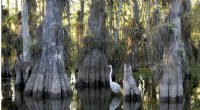
Consider a forest ecosystem. Trees (producers) rely on sunlight, water, and soil nutrients for growth. Herbivores (consumers) depend on the trees for food. Decomposers break down dead leaves and fallen trees, returning nutrients to the soil, making them available for the trees again.
The abiotic factors like temperature, rainfall, and soil quality influence the abundance and diversity of each trophic level. Changes in these abiotic factors can disrupt the delicate balance of the ecosystem, potentially leading to changes in species populations or even ecosystem collapse.