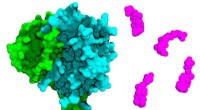
Here's a breakdown:
What happens:
* Light energy from the sun is absorbed by chlorophyll, a green pigment found in plants.
* Carbon dioxide from the air and water from the soil are used as raw materials.
* Through a complex series of chemical reactions, the plant converts light energy into chemical energy stored in the form of glucose (a sugar).
* Oxygen is released as a byproduct.
The equation:
6CO₂ + 6H₂O + light energy → C₆H₁₂O₆ + 6O₂
* CO₂ = Carbon dioxide
* H₂O = Water
* light energy = Sunlight
* C₆H₁₂O₆ = Glucose (sugar)
* O₂ = Oxygen
Why it's important:
* Provides food for plants: Glucose is the primary source of energy for plants.
* Releases oxygen: The oxygen released during photosynthesis is essential for all living things to breathe.
* Forms the basis of food chains: Plants are the primary producers in most ecosystems, providing food for herbivores, and ultimately, all other organisms.
* Helps regulate the Earth's atmosphere: Photosynthesis removes carbon dioxide from the atmosphere, which helps to regulate climate.
In simple terms:
Photosynthesis is like a plant's way of "eating sunlight." It uses sunlight, carbon dioxide, and water to make food (glucose) and release oxygen as a waste product. This process is crucial for life on Earth, as it provides us with the oxygen we breathe and the food we eat.