* Bacteria: Single-celled organisms that can cause infections like pneumonia, tuberculosis, and food poisoning.
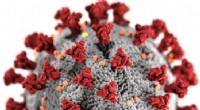
* Viruses: Tiny particles that can only reproduce inside living cells, causing diseases like the common cold, influenza, and HIV/AIDS.
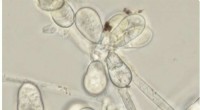
* Fungi: Multicellular organisms that can cause infections like athlete's foot, ringworm, and yeast infections.
* Parasites: Organisms that live on or inside another organism, often at the host's expense, causing diseases like malaria, hookworm, and tapeworm.
* Prions: Abnormal proteins that can cause fatal brain diseases like mad cow disease.
Key features of pathogens:
* Infectivity: Ability to enter and establish itself in the host.
* Pathogenicity: Ability to cause disease.
* Virulence: Severity of the disease caused.
Not all microorganisms are pathogens. Many are harmless or even beneficial. For example, many bacteria live in our gut and help with digestion.
It's important to remember that different pathogens can infect different hosts. For instance, a pathogen that causes disease in humans may not affect other animals.