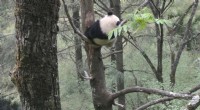
Here's a breakdown of the key differences in how mammals and flowering plants respond to their environment:
1. Nervous System & Movement:
* Mammals: Possess a complex nervous system with a brain and spinal cord, allowing for quick and coordinated responses. They have a muscular system for voluntary and involuntary movements, enabling them to move away from threats or towards food sources.
* Flowering Plants: Lack a nervous system and specialized muscles. Their responses are slower and more localized, relying on chemical messengers and growth responses.
2. Sensory Perception:
* Mammals: Have a wide range of senses, including sight, smell, hearing, touch, and taste. They can perceive and react to a diverse range of stimuli from their environment.
* Flowering Plants: Respond to environmental cues like light, gravity, temperature, and touch through specialized receptors. However, their perception is limited compared to mammals, focusing primarily on factors relevant to their growth and reproduction.
3. Behavioral Responses:
* Mammals: Exhibit complex behaviors, including learning, social interactions, and migration. These behaviors are often adaptive, enabling them to survive and reproduce in changing environments.
* Flowering Plants: Respond primarily through physiological adaptations, such as growth patterns, flowering time, and leaf movement. Their responses are usually not as visible or complex as those of mammals.
4. Defense Mechanisms:
* Mammals: Employ a variety of defense mechanisms, including physical (e.g., teeth, claws) and behavioral (e.g., flight, camouflage) strategies. Some mammals also possess venom or secrete toxins.
* Flowering Plants: Utilize chemical defense mechanisms, producing toxins, volatile compounds, or physical structures like thorns or prickles to deter herbivores. Some plants even attract predatory insects to defend them against pests.
5. Adaptation to Stress:
* Mammals: Respond to stress through physiological, behavioral, and psychological changes, often involving the release of hormones like adrenaline and cortisol.
* Flowering Plants: Adjust to stress through physiological responses, such as changes in growth patterns, leaf morphology, or the production of stress-related hormones. They may also activate defense mechanisms against pathogens or environmental challenges.
6. Reproduction:
* Mammals: Reproduce sexually, with internal fertilization and live birth (with some exceptions). Parental care is often present, promoting offspring survival.
* Flowering Plants: Reproduce sexually through pollination, with the transfer of pollen from one flower to another. They may also reproduce asexually through vegetative propagation. Seeds provide the means for dispersal and future generations.
In summary:
Mammals have a more advanced and flexible response system, with a complex nervous system and behavioral capabilities. Flowering plants rely on slower, localized responses based on hormonal cues and growth adjustments. Both strategies are successful in their respective environments, demonstrating the diverse ways that life adapts to survive and thrive.