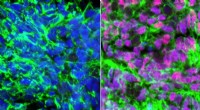
What is Cytoplasm?
* The cytoplasm is the gel-like substance that fills the inside of a cell. It's a mixture of water, salts, and organic molecules.
* Think of it as the cell's "inner world" where all the action happens.
What are Organelles?
* Organelles are specialized structures within the cytoplasm that have specific jobs to keep the cell alive and functioning.
* They're like tiny organs working together to create a complex, living organism.
Key Organelles and their Functions:
Here are some of the most important organelles and what they do:
* Nucleus: The "brain" of the cell, containing DNA (genetic information) and controlling cell activity.
* Mitochondria: The "powerhouses" of the cell, producing energy (ATP) through cellular respiration.
* Endoplasmic Reticulum (ER): A network of membranes involved in protein synthesis, lipid production, and detoxification.
* Golgi Apparatus: Processes and packages proteins and lipids for transport within and outside the cell.
* Lysosomes: The "recycling centers" of the cell, breaking down waste materials and cellular debris.
* Ribosomes: Sites of protein synthesis, where genetic instructions are translated into functional proteins.
* Vacuoles: Storage compartments for water, nutrients, and waste products.
* Chloroplasts (in plant cells): Sites of photosynthesis, converting sunlight into energy.
Key Point: Each organelle has a specific role to play, and they all work together to keep the cell functioning properly.
Let me know if you'd like to explore any specific organelle in more detail!