Here's a breakdown of what different types of bacteria "eat" in Africa (and everywhere else):
* Autotrophs: These bacteria make their own food using energy from sunlight (photosynthesis) or inorganic chemicals (chemosynthesis). They play a crucial role in nutrient cycling.
* Heterotrophs: These bacteria rely on consuming organic matter from other organisms. Here are some examples:
* Decomposers: They break down dead plants and animals, releasing nutrients back into the environment.
* Parasites: They live on or inside other organisms, causing disease or harm.
* Mutualists: They have a beneficial relationship with other organisms, like those that live in the gut of animals helping them digest food.
Specific examples in Africa:
* Nitrogen-fixing bacteria: Found in the soil, they convert atmospheric nitrogen into a usable form for plants, essential for growth.
* Cellulose-degrading bacteria: Found in the digestive systems of herbivores (like termites and ruminants), they help break down plant material.
* Pathogenic bacteria: These bacteria can cause diseases in humans, animals, and plants, like cholera, tuberculosis, and crop diseases.
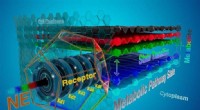
Important note: There's no distinct "African bacteria" diet. Bacteria exist across the globe, and their food sources depend on their specific metabolic pathways and the environment they inhabit.