1. Sexual Reproduction in Microorganisms:
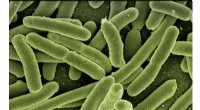
* Bacteria: Many bacteria reproduce asexually, but some engage in a process called horizontal gene transfer, where genetic material is exchanged between individuals. This exchange can be considered a form of "mating" but doesn't involve distinct sexes.
* Fungi: Fungi often reproduce sexually, with two compatible "mating types" (often designated as + and -). These types are not necessarily equivalent to male and female, as they can be either haploid or diploid.
* Protists: Protists have diverse reproduction strategies, some using sexual processes with distinct mating types.
2. Key Differences from Human Sex:
* Absence of gametes: Unlike humans who produce sperm and eggs, microorganisms don't have specialized gametes in the traditional sense.
* Mating types: Microorganisms may have different "mating types" that allow for genetic exchange, but these types are not the same as male and female.
* Flexibility: Some microorganisms can change their "mating type" under certain environmental conditions.
3. Examples of "Two Sex" Analogues:
* Yeast: Some species of yeast have two mating types, a and α, which can only reproduce with each other.
* Paramecium: Certain species have two mating types, "sexes" that are genetically distinct and allow for fertilization.
In Summary:
While microorganisms might not have "sex" in the same way humans do, some exhibit distinct mating types or engage in sexual processes with a "two sex" analogy. These processes serve a similar purpose to sexual reproduction in animals, allowing for genetic diversity and adaptation.