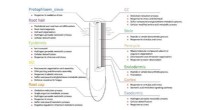
* Ribosomes are the primary sites of protein synthesis in cells. They translate genetic information from mRNA into amino acid chains, which then fold into functional proteins.
* Mitochondria have their own DNA and ribosomes, but these are primarily used to synthesize proteins that are specific to mitochondrial function. These proteins are essential for tasks like:
* Cellular respiration: Mitochondria are the powerhouses of the cell, responsible for producing ATP (energy currency). Mitochondrial proteins are vital for the electron transport chain and oxidative phosphorylation processes.
* Other mitochondrial functions: These include processes like maintaining mitochondrial structure, regulating calcium levels, and participating in apoptosis (programmed cell death).
While mitochondria do have their own protein synthesis machinery, they do not manufacture the vast majority of proteins found in a cell. That's the job of ribosomes.