1. Carbohydrates:
* Glycolysis: This is the first stage of cellular respiration and occurs in the cytoplasm. Glucose, a simple sugar, is broken down into pyruvate.
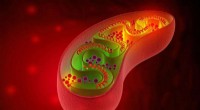
* Pyruvate Oxidation: Pyruvate is transported into the mitochondria and converted to acetyl-CoA.
2. Fats:
* Lipolysis: Fats are broken down into glycerol and fatty acids.
* Glycerol Conversion: Glycerol can enter the glycolysis pathway.
* Beta-oxidation: Fatty acids are broken down into acetyl-CoA units within the mitochondria.
3. Proteins:
* Protein Breakdown: Proteins are broken down into amino acids.
* Amino Acid Conversion: Amino acids can be converted into various intermediates that can enter the glycolysis pathway, the citric acid cycle, or be directly used to produce ATP.
Common Entry Point:
* Acetyl-CoA: Ultimately, whether it's from carbohydrates, fats, or proteins, the breakdown products are converted into acetyl-CoA. Acetyl-CoA is the entry point for all of these molecules into the citric acid cycle (Krebs cycle), the central metabolic pathway of cellular respiration.
Key Points:
* Cellular respiration is a series of metabolic reactions that occur in cells to produce energy in the form of ATP.
* Different nutrients can enter the metabolic pathway at various points, but they converge at acetyl-CoA to fuel the citric acid cycle and ultimately drive ATP production.
* The breakdown of fats and proteins is often more complex than carbohydrates, involving multiple steps and specific enzymes.
Let me know if you'd like more detail about any of these steps!