1. Carbohydrates: These are made up of carbon, hydrogen, and oxygen. They serve as energy sources and structural components in cells. Examples include sugars, starches, and cellulose.
2. Lipids (Fats): These are also made up of carbon, hydrogen, and oxygen, but with a higher proportion of hydrogen. They provide long-term energy storage, insulation, and protection for organs. Examples include fats, oils, and waxes.
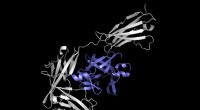
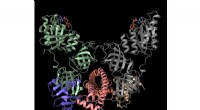
3. Proteins: These are made up of carbon, hydrogen, oxygen, and nitrogen. They are the workhorses of the cell, performing a wide variety of functions, including structural support, catalysis, transport, and defense. They are made up of amino acid monomers.
4. Nucleic Acids: These are made up of carbon, hydrogen, oxygen, nitrogen, and phosphorus. They carry genetic information and are responsible for protein synthesis. Examples include DNA and RNA.
Let me know if you'd like to learn more about any of these macromolecules!