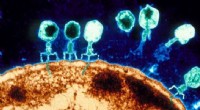
* Viruses: Viruses are not cells! They are much simpler structures consisting of genetic material (DNA or RNA) enclosed in a protein coat. Viruses cannot reproduce on their own; they require a host cell to replicate. They do this through a process called viral replication, which is very different from mitosis.
* Prokaryotic cells: Prokaryotes (like bacteria and archaea) do not reproduce by mitosis. They reproduce by a process called binary fission, where a single cell divides into two identical daughter cells.
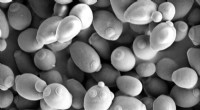
* Eukaryotic cells: Eukaryotes (like plants, animals, fungi, and protists) do reproduce by mitosis, a process where the nucleus of a cell divides, producing two identical daughter cells.
Key takeaway: Mitosis is a process specific to eukaryotic cells for cell division. Viruses and prokaryotes have different mechanisms of replication.