Here's a breakdown:
Photosynthesis:
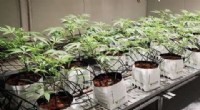
* This is the most common method, where plants use sunlight, water, and carbon dioxide to create glucose (sugar) as their energy source.
* They have chlorophyll, a green pigment, which absorbs sunlight for this process.
Other methods:
* Parasitic plants: These plants don't make their own food. They obtain nutrients from other living plants by tapping into their vascular systems.
* Myco-heterotrophic plants: These plants rely on symbiotic relationships with fungi for their food. The fungi get their nutrients from decaying matter, and the plants extract these nutrients from the fungi.
* Carnivorous plants: These plants supplement their diet by trapping and digesting insects. They still perform photosynthesis but use the additional nutrients from insects to thrive in nutrient-poor environments.
Therefore, while photosynthesis is the most common way plants make food, there are other methods that allow some plants to survive and thrive in different environments.