Here's a breakdown:
* Asexual Reproduction: A single parent organism produces offspring that are genetically identical to itself. No fertilization is involved.
* Parthenogenesis: A specialized form of asexual reproduction where an egg develops into a new organism without being fertilized by a male sperm.
Examples of Organisms that Exhibit Parthenogenesis:
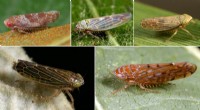
* Insects: Many species of bees, wasps, and ants
* Reptiles: Some species of lizards and snakes
* Fish: Certain species of sharks and fish
* Plants: Some plants can reproduce through parthenogenesis, resulting in seeds without pollination.
Types of Parthenogenesis:
* Haploid parthenogenesis: The offspring develop from unfertilized eggs that contain only half the normal number of chromosomes.
* Diploid parthenogenesis: The offspring develop from unfertilized eggs that contain a full set of chromosomes (usually through a process called automixis).
Key Point: Parthenogenesis is a fascinating biological strategy that allows certain organisms to reproduce without needing a mate, enabling them to thrive in diverse environments.