1. Environment:
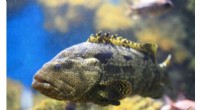
* Aquatic vs. Terrestrial: The availability of oxygen differs greatly between water and air. Fish use gills to extract oxygen dissolved in water, while land animals have lungs that are designed to take in oxygen from the air.
* Altitude: Animals living at high altitudes need more efficient lungs to extract oxygen from the thinner air. For example, llamas have larger lungs and a higher red blood cell count than animals at lower altitudes.
2. Size and Metabolic Rate:
* Small vs. Large: Smaller animals have a higher surface area to volume ratio, which means they can absorb oxygen more efficiently through their skin. Larger animals need specialized organs like lungs to meet their oxygen needs.
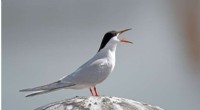
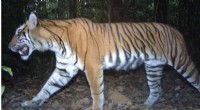
* Active vs. Inactive: Animals with high metabolic rates, like birds and mammals, need more oxygen to fuel their energy-demanding activities. They have developed efficient lungs with large surface areas for gas exchange.
3. Specific Adaptations:
* Insects: These tiny creatures have a unique tracheal system that delivers oxygen directly to their cells.
* Amphibians: They can breathe through their skin when submerged in water and through lungs when on land.
* Whales: These marine mammals have evolved lungs that can hold enormous amounts of air, allowing them to stay underwater for extended periods.
In short, the diversity of breathing organs in living things reflects their evolutionary history and the unique challenges they face in obtaining oxygen from their respective environments.