* Organic Carbon: Heterotrophs cannot produce their own carbon compounds (like carbohydrates) from inorganic sources. They must consume other organisms (plants, animals, or their byproducts) to obtain these essential building blocks.
* Energy: Heterotrophs obtain energy by breaking down organic molecules through cellular respiration. This process releases energy stored in the chemical bonds of food.
Examples of Heterotrophs:
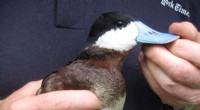
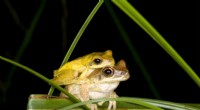
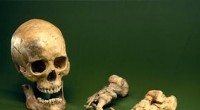
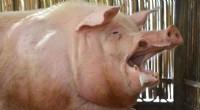
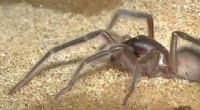
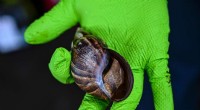
* Animals: All animals are heterotrophs. They eat plants or other animals to get their carbon and energy.
* Fungi: Fungi are decomposers, meaning they break down dead organic matter to obtain their nutrients.
* Many bacteria: Some bacteria are heterotrophic, while others are capable of producing their own food through various means.
* Protozoa: These single-celled organisms typically consume other microorganisms or organic debris.
In contrast to heterotrophs, autotrophs are organisms that can produce their own food from inorganic sources:
* Photoautotrophs: Use sunlight as their energy source (like plants, algae, and some bacteria).
* Chemoautotrophs: Obtain energy from the oxidation of inorganic compounds (like some bacteria).
Let me know if you have any other questions!