The Endosymbiotic Theory
The prevailing theory, known as the endosymbiotic theory, explains the origin of mitochondria as follows:
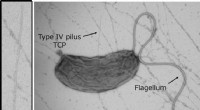
1. Ancient Prokaryotes: Billions of years ago, the Earth was inhabited by single-celled organisms called prokaryotes. These were simple cells lacking a nucleus or other membrane-bound organelles.
2. Aerobic Bacteria: Among these prokaryotes were bacteria that had evolved the ability to use oxygen for energy production, a process called aerobic respiration. These were the ancestors of mitochondria.
3. Engulfment: A larger prokaryote, likely an ancestor of modern eukaryotic cells, engulfed one of these aerobic bacteria. Instead of digesting it, the larger cell kept the bacterium alive.
4. Symbiosis: The engulfed bacterium, now living within the larger cell, provided energy through aerobic respiration. The larger cell provided protection and resources. This mutually beneficial relationship became permanent, leading to the evolution of the first eukaryotic cells with mitochondria.
Evidence Supporting the Endosymbiotic Theory:
* Mitochondrial DNA: Mitochondria have their own DNA, separate from the cell's nuclear DNA. This DNA is circular, like bacterial DNA, further suggesting a bacterial origin.
* Ribosomes: Mitochondria have their own ribosomes, similar to bacterial ribosomes in size and structure.
* Double Membrane: Mitochondria are enclosed by two membranes, suggesting that the inner membrane is derived from the original bacterial membrane.
* Independent Replication: Mitochondria can replicate themselves independently within the cell, similar to bacteria.
Evolutionary Significance
The endosymbiotic event that gave rise to mitochondria was a crucial step in the evolution of life. It allowed for the efficient use of oxygen, providing the energy necessary for complex multicellular organisms to evolve.
In Summary
Mitochondria originated from ancient aerobic bacteria that were engulfed by a larger prokaryote, leading to a symbiotic relationship that ultimately gave rise to the first eukaryotic cells. This event, a testament to the power of symbiosis, profoundly shaped the course of life on Earth.