Producers:
* Plants: A vast variety, from cacti and agave in the deserts to lush rainforests filled with ferns, palms, and flowering trees. These form the base of the food web, converting sunlight into energy.
Primary Consumers:
* Herbivores:
* Mammals: Deer, rabbits, squirrels, rodents, armadillos, tapirs, peccaries
* Birds: Parrots, toucans, hummingbirds, doves, quail
* Reptiles: Iguanas, lizards, turtles
* Insects: Grasshoppers, ants, butterflies, beetles
* Fish: Various freshwater and saltwater fish depending on the region
Secondary Consumers:
* Carnivores:
* Mammals: Jaguars, pumas, ocelots, coyotes, foxes, wolves, bears (in some areas)
* Birds: Hawks, eagles, owls, vultures, roadrunners
* Reptiles: Snakes, crocodiles, caimans
* Fish: Sharks, barracuda, tuna
* Insects: Praying mantis, wasps, dragonflies
Tertiary Consumers:
* Apex Predators: Jaguars, pumas, crocodiles, some large sharks (in coastal waters)
Decomposers:
* Bacteria and Fungi: These essential organisms break down dead plants and animals, returning nutrients to the soil.
Important Notes:
* Regional Variation: Mexico's varied ecosystems, from deserts to rainforests, create distinct food webs. Each region has unique species adapted to its environment.
* Human Impact: Human activities like deforestation, agriculture, and hunting have altered Mexico's food webs, affecting animal populations and ecosystem balance.
Examples of Food Web Interactions:
* A jaguar might hunt a deer, which feeds on grass and shrubs.
* A hawk might prey on a rabbit that eats clover.
* A crocodile might eat a fish that feeds on algae.
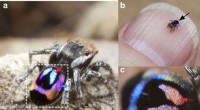
* A spider might capture an insect that pollinates flowers.
This is just a brief overview. The intricate connections within Mexico's food web are vast and fascinating, reflecting the country's rich biodiversity.