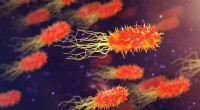
Tuberculosis (TB) is a highly contagious bacterial infection that primarily affects the lungs, but can also spread to other parts of the body. It is caused by a bacteria called Mycobacterium tuberculosis.
Here's a breakdown:
* Transmission: TB spreads through the air when someone with active TB disease coughs, sneezes, speaks, or sings.
* Infection vs. Disease:
* Infection: A person can become infected with TB bacteria but not develop the disease. This is called latent TB infection.
* Disease: Active TB disease occurs when the bacteria multiply in the body and cause symptoms.
* Symptoms:
* Active TB disease: Coughing (that may produce blood), chest pain, weight loss, fatigue, fever, chills, night sweats.
* Latent TB infection: Usually no symptoms.
* Diagnosis:
* Skin or blood tests: Check for TB infection.
* Chest X-ray: Can show lung abnormalities.
* Sputum tests: Look for TB bacteria in the mucus coughed up from the lungs.
* Treatment:
* Antibiotics: Multiple drugs are used for a long period of time (usually 6 months) to treat TB.
* Latent TB infection: Treatment is with antibiotics for a shorter period to prevent the infection from becoming active.
* Prevention:
* Vaccination: The BCG vaccine is available in many countries and can help protect children against TB.
* Early diagnosis and treatment: Important for stopping the spread of the disease.
Important Notes:
* TB is curable with proper treatment.
* It is preventable through vaccination and early diagnosis.
* Drug-resistant TB is a growing concern.
If you have concerns about TB, consult a healthcare professional for diagnosis and treatment.