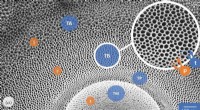
Energy storage: This is the primary function of fat. Fat cells store energy in the form of triglycerides, which can be broken down and used as fuel when needed. This is particularly important during periods of food scarcity or high energy expenditure.
Insulation: Subcutaneous fat (fat located under the skin) acts as insulation, helping to maintain body temperature and protect against cold.
Protection: Fat pads around vital organs like the kidneys and heart provide cushioning and protection from injury.
Hormone production: Adipose tissue produces various hormones, including leptin (regulates appetite and metabolism), adiponectin (improves insulin sensitivity), and estrogen (plays a role in sexual development and reproductive health).
Cell signaling: Fat cells release signaling molecules that influence other tissues and organs, affecting processes like inflammation and blood sugar regulation.
Other functions:
* Absorption of fat-soluble vitamins: Fat helps the body absorb vitamins A, D, E, and K.
* Structural support: Fat contributes to the structure and shape of some organs.
* Contributes to satiety: Fat in the stomach helps us feel full after eating.
It's important to note that while fat is essential for health, excessive accumulation of fat can lead to obesity and associated health problems such as heart disease, diabetes, and some types of cancer.
Types of Fatty Deposits:
There are different types of fat deposits in the body:
* White adipose tissue: The most common type of fat, primarily involved in energy storage and insulation.
* Brown adipose tissue: This type of fat burns energy to produce heat, primarily found in infants and decreasing in adults.
* Beige adipose tissue: This type of fat acts like brown adipose tissue and is found in white adipose tissue.
Understanding the diverse roles of fatty deposits helps appreciate their importance in maintaining overall health.