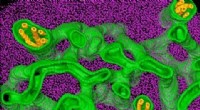
1. Earthworms (Oligochaeta):
* These are the most common type of worms found in savannas.
* They play a vital role in soil aeration, nutrient cycling, and decomposition.
* They are essential for maintaining healthy soil structure and promoting plant growth.
2. Roundworms (Nematoda):
* These are microscopic worms that live in the soil, water, and even the bodies of plants and animals.
* They play a complex role in the ecosystem, acting as both parasites and decomposers.
* Some are beneficial by breaking down organic matter, while others can harm plants and animals.
3. Flatworms (Platyhelminthes):
* These worms are usually parasitic and often live within the bodies of animals.
* Some common flatworm parasites found in savannas include flukes and tapeworms, which can infect mammals, birds, and reptiles.
4. Ribbon worms (Nemertea):
* These are elongated, unsegmented worms that are often predatory.
* They are common in coastal areas, but some species can also be found in savanna soils.
* They prey on other worms, insects, and small invertebrates.
5. Other Worm Types:
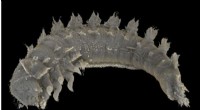
* Savannas can also be home to other types of worms like polychaetes, which are marine worms, but may be found in temporary water bodies.
* Some species of segmented worms (Annelida) might also exist in savanna environments.
Specific Examples of Worms in Savannas:
* African Nightcrawler (Eudrilus eugeniae): This earthworm is a common species found in many parts of Africa, including savannas.
* Parasitic Nematodes: Savannas are home to various parasitic roundworms that infect a variety of animals, including livestock.
* Tapeworms: These flatworms can infect large herbivores like zebras and wildebeests, causing various health problems.
Note: The specific types of worms found in a savanna will vary depending on the location, climate, and soil conditions.