Birds:
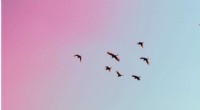
* Owls: Many owl species are nocturnal and specialize in hunting bats. They have exceptional hearing and silent flight, making them efficient predators.
* Hawks: Some hawks, like the Cooper's hawk, are opportunistic and will prey on bats, especially during the day when bats are less active.
* Falcons: Like hawks, falcons are powerful birds of prey that can catch bats in flight.
Mammals:
* Raccoons: These clever animals often raid bat roosts, particularly when bats are in hibernation.
* Opossums: Opossums can climb and are skilled at catching bats, especially young bats or those that are injured.
* Snakes: Some snake species, especially those that climb, will prey on bats in their roosts.
* Foxes: Foxes will sometimes prey on bats, especially if they find them on the ground.
* Weasels: These agile and predatory mammals can enter bat roosts and catch bats.
Other:
* Large insects: While not technically a predator, larger insects like mantises and spiders can catch and eat bats, especially young or injured ones.
* Humans: Though not a natural predator, humans can pose a threat to bats through habitat destruction, pesticide use, and other factors.
It's worth noting that the specific predators a bat faces will depend on the species of bat and the geographic location. Bats are a diverse group, and some species are better adapted to avoid predators than others. For example, bats with strong echolocation skills are more likely to detect and avoid predators.
Finally, some bats have developed unique defenses against predators, such as emitting loud noises to scare off potential attackers or even playing dead to trick predators.