* Protein Synthesis: Ribosomes are the sites of protein synthesis. They read the genetic code from messenger RNA (mRNA) and use it to assemble amino acids into protein chains. Proteins are essential for virtually every function in the cell.
* Other Organelles' Roles: While ribosomes are the main players, other organelles contribute to creating new molecules:
* Endoplasmic Reticulum (ER): The ER is involved in protein folding and modification, lipid synthesis, and detoxification.
* Golgi Apparatus: The Golgi apparatus further processes and packages proteins and lipids before they are sent to their destinations.
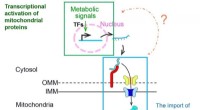
* Mitochondria: These are the powerhouses of the cell, responsible for producing ATP (energy), but they also play a role in synthesizing certain molecules.
* Chloroplasts (in plant cells): These are responsible for photosynthesis, creating glucose from sunlight, water, and carbon dioxide.
Key takeaway: Ribosomes are the primary site for creating new molecules, specifically proteins. Other organelles work together with ribosomes in this process and have their own roles in molecule creation.