Here's a breakdown:
* Genes: Segments of DNA that contain the instructions for building and maintaining an organism.
* Gene expression: The process by which the information in a gene is used to create a functional product, typically a protein.
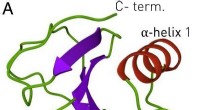
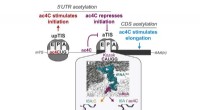
* Regulator genes: Genes that control the expression of other genes. They do this by producing proteins called transcription factors.
How regulator genes work:
1. Transcription factors bind to specific DNA sequences near the genes they regulate.
2. This binding can either activate or repress transcription:
* Activators: Enhance the rate of transcription, leading to increased production of the protein encoded by the target gene.
* Repressors: Block or decrease the rate of transcription, leading to decreased production of the protein encoded by the target gene.
Examples of regulator genes and their effects:
* Homeotic genes: Control the development of body structures in animals.
* Lac operon: Regulates the breakdown of lactose in bacteria.
* Tumor suppressor genes: Regulate cell growth and division, preventing uncontrolled cell growth (cancer).
* Developmental genes: Control the timing and sequence of developmental events.
In essence, regulator genes are like master switches that control the activity of other genes, orchestrating a complex web of gene expression that underlies the development, function, and behavior of an organism.