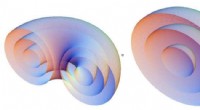
Here's how it works:
* All cells start from the same blueprint: Every cell in your body has the same DNA. This DNA contains the instructions for building and maintaining all the cells in your body.
* Gene expression is the key: Not all genes are active in every cell. During differentiation, specific genes are turned on or off, leading to different proteins being produced.
* Proteins define the cell's function: These proteins determine the cell's structure, shape, and function. For example, a muscle cell will produce proteins that allow it to contract, while a nerve cell will produce proteins that help it transmit signals.
* The process is often irreversible: Once a cell has differentiated, it usually remains specialized. However, there are some exceptions, like stem cells, which can differentiate into different types of cells.
Here are some examples of cell differentiation:
* Embryonic development: During the early stages of development, cells become specialized into different tissues and organs.
* Blood cell production: Stem cells in the bone marrow differentiate into red blood cells, white blood cells, and platelets.
* Wound healing: When you get a cut, cells near the wound differentiate to help repair the damaged tissue.
Cell differentiation is a crucial process for the development and maintenance of all living organisms. It allows for the creation of complex tissues and organs with specialized functions.