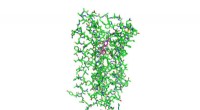
Bacteriocins are antimicrobial peptides or proteins produced by bacteria that can kill or inhibit the growth of other bacteria, typically closely related strains.
Here's a breakdown:
* Bacteriocins are produced by bacteria: They are part of a bacterial defense mechanism against competitors.
* They target other bacteria: Bacteriocins are specific to certain species or strains of bacteria, meaning they can target specific harmful bacteria while leaving beneficial ones unharmed.
* They can kill or inhibit growth: Bacteriocins act by interfering with various cellular functions of the target bacteria, leading to their death or halting their growth.
Examples of bacteriocin producing bacteria:
* Lactobacillus: Many species of Lactobacillus, commonly found in fermented foods like yogurt and cheese, produce bacteriocins that inhibit the growth of harmful bacteria like Listeria and Salmonella.
* E. coli: Some strains of E. coli produce bacteriocins that can target other pathogenic E. coli strains.
Bacteriocins are being investigated for their potential applications in food preservation, as natural alternatives to antibiotics.