Phytoremediation is a biological process that uses plants to remove, detoxify, or stabilize pollutants from the environment. Plants can absorb, accumulate, and break down pollutants, making them a sustainable and cost-effective way to clean up contaminated soil and water.
Mining is the extraction of valuable minerals from the Earth.
While there is no "phytomining," there are organisms involved in both phytoremediation and mining.
Organisms involved in phytoremediation:
* Plants: Various plant species have the ability to accumulate and break down heavy metals, pesticides, and other pollutants. Some examples include sunflowers, mustard plants, and poplar trees.
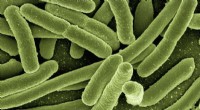
* Microorganisms: Bacteria and fungi in the soil can also help break down pollutants and make them less harmful.
Organisms involved in mining:
* Microorganisms: Some bacteria and archaea are capable of extracting valuable minerals from rocks and ores. This is a relatively new field called "biomining."
* Plants: While plants are not directly involved in extracting minerals in the traditional sense, some plants can indicate the presence of certain minerals in the soil. This information can be used by miners to locate valuable deposits.
To summarize:
* Phytoremediation uses plants and microorganisms to clean up pollution.
* Mining extracts valuable minerals from the Earth, often with the help of microorganisms.
It's important to use precise terminology when discussing these processes to avoid confusion.