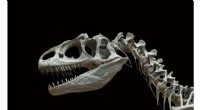
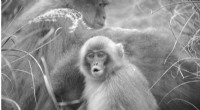
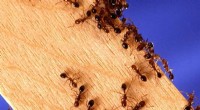
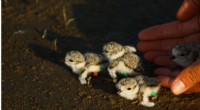
* Animals: Dogs, cats, humans, insects, fish, birds, etc.
* Plants: Trees, flowers, grasses, ferns, mosses, etc.
* Fungi: Mushrooms, yeasts, molds, etc.
* Protists: Amoebas, paramecia, algae (like kelp), etc.
What makes them eukaryotic?
Eukaryotic organisms are characterized by having:
* A true nucleus: Their genetic material (DNA) is enclosed within a membrane-bound nucleus.
* Membrane-bound organelles: They have specialized compartments within their cells, like mitochondria, endoplasmic reticulum, Golgi apparatus, etc., each with specific functions.
* More complex cellular structure: Compared to prokaryotes, eukaryotic cells are generally larger and more complex.
Examples of prokaryotic organisms (for contrast):
* Bacteria
* Archaea
Let me know if you'd like more information about specific examples!