1. Organization: Living things are highly organized, with cells as the basic unit of structure. They have different levels of organization, from cells to tissues, organs, organ systems, and the organism itself.
2. Metabolism: Living things carry out a wide range of chemical reactions to maintain life, including the breakdown of food for energy (catabolism) and the synthesis of complex molecules (anabolism).
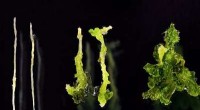
3. Growth: Living things increase in size and complexity over time. This growth is often accompanied by an increase in the number of cells.
4. Reproduction: Living things produce offspring that are similar to themselves. This can be done sexually or asexually.
5. Response to stimuli: Living things react to changes in their environment, both internal and external. This responsiveness allows them to adapt and survive.
6. Homeostasis: Living things maintain a stable internal environment despite changes in the external environment. This includes regulating temperature, pH, and other critical factors.
7. Adaptation/Evolution: Over time, living things evolve, meaning that populations of organisms change in response to their environment. This can be driven by natural selection, where individuals with advantageous traits are more likely to survive and reproduce.
Let me know if you have any other questions!