Here's a breakdown:
* Circadian Rhythms: These are internal, natural, and self-sustaining biological processes that occur on a roughly 24-hour cycle. They are influenced by external cues like light and darkness but can persist even in the absence of these cues.
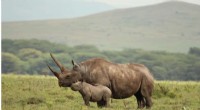
* Animals: Animals, like humans, are living organisms that exhibit circadian rhythms.
Therefore, animals possess and display circadian rhythms, but they are not the rhythms themselves.
Examples of circadian rhythms in animals include:
* Sleep-wake cycle: Most animals have a period of rest and activity that aligns with the day-night cycle.
* Hormone production: Hormones like cortisol and melatonin are released in cyclical patterns throughout the day.
* Body temperature: Body temperature tends to fluctuate slightly throughout the day.
* Digestive processes: Digestion and metabolism are also influenced by circadian rhythms.
So, it's not that animals "are" circadian rhythms; it's that animals have circadian rhythms that regulate many important biological processes.