1. Genetic Material: Both haploid and diploid cells contain DNA as their genetic material. This DNA carries the instructions for building and maintaining an organism.
2. Cellular Processes: Both types of cells undergo fundamental cellular processes such as:
* Transcription: Copying DNA into RNA.
* Translation: Translating RNA into proteins.
* Cellular Respiration: Producing energy (ATP).
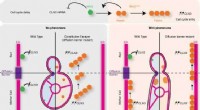
* Cell division: Although the processes differ (mitosis for diploid, meiosis for haploid), both types of cells divide to create new cells.
3. Basic Cell Structures: Both haploid and diploid cells possess the basic structures common to all cells, including:
* Cell membrane: The outer boundary of the cell.
* Cytoplasm: The gel-like substance inside the cell.
* Ribosomes: Organelles responsible for protein synthesis.
4. Presence of Organelles: Both types of cells can contain various organelles, such as:
* Mitochondria: The "powerhouses" of the cell.
* Golgi apparatus: Modifies and packages proteins.
* Endoplasmic reticulum: A network of membranes involved in protein and lipid synthesis.
5. Gene Expression: Both haploid and diploid cells can express genes, meaning they can use the information stored in DNA to create proteins. This is essential for all cellular functions.
Important Note: The key distinction between haploid and diploid cells lies in the number of chromosome sets. Haploid cells have only one set, while diploid cells have two sets. This difference significantly impacts their roles in reproduction and the overall life cycle of organisms.