Grass benefits from migrating animals:
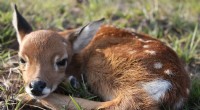
* Seed dispersal: Animals like birds, deer, and bison eat grass seeds and deposit them in their droppings, often far from the parent plant. This helps spread the grass to new areas.
* Fertilization: Animal droppings are a natural fertilizer, enriching the soil and promoting grass growth.
* Treading: The hooves of large animals can trample down dead grass and weeds, making room for new grass growth.
Migrating animals benefit from grass:
* Food source: Grass is a vital food source for many migrating animals, providing them with the energy they need for their journeys.
* Shelter and protection: Grass can provide cover and protection from predators for migrating animals, especially young or weak individuals.
However, there are also potential downsides:
* Overgrazing: If the number of migrating animals is too high, they can overgraze the grass, leading to its depletion and damaging the ecosystem.
* Disease transmission: Migrating animals can carry diseases that can be spread to other animals or even humans.
Therefore, the relationship between grass and migrating animals is best described as a mutualistic relationship with potential for parasitism in certain situations. The overall balance depends on factors like population size, migration patterns, and environmental conditions.