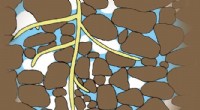
1. Extracellular Matrix (ECM): This is a complex network of molecules found in the spaces between cells in tissues and organs. It's like a "scaffolding" that provides support, structure, and organization to cells. The ECM contains proteins (like collagen and elastin), carbohydrates, and other molecules that play a vital role in cell communication, migration, and development.
2. Body Fluids: These are the liquids that surround cells and tissues in multicellular organisms. Examples include blood, lymph, cerebrospinal fluid, and interstitial fluid. Body fluids transport nutrients, oxygen, hormones, and waste products, and help to maintain a stable internal environment.
3. External Environment: This refers to the surroundings outside the body of an organism. For single-celled organisms, this is their immediate environment, while for multicellular organisms, it's the world outside their bodies. The external environment can include factors like temperature, humidity, light, and the presence of nutrients or toxins.
Let me know if you'd like to know more about any of these environments!