1. Traditional Herding:
* Mongolian Nomads: Move with their herds of sheep, goats, and cattle across the vast steppes of Mongolia, following the best grazing lands for their livestock.
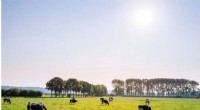
* Swiss Alps: Farmers move their dairy cows to higher pastures during the summer months and bring them back down to lower valleys for the winter.
* Masai People of East Africa: Known for their cattle herding, they migrate with their livestock in search of fresh grazing lands, often travelling great distances.
* Tuareg People of the Sahara Desert: These nomadic people move their herds of camels and goats across the desert, following the rains and seeking oases for water.
2. Modern Applications:
* High-Altitude Farming: Some farmers in mountainous regions practice transhumance, moving their livestock between valleys and higher mountain pastures.
* Beekeeping: Beekeepers may relocate their hives seasonally to take advantage of different floral resources and pollen sources.
* Fishing: Some fishermen practice transhumance, moving their boats and gear to different fishing grounds depending on the season and the availability of fish.
3. Historical Transhumance:
* The Roman Empire: Roman armies often practiced transhumance, moving their camps and supplies across the Empire to follow their campaigns.
* The Silk Road: Merchants and traders practiced transhumance, moving their goods and animals along the Silk Road to trade with different cultures.
Beyond livestock:
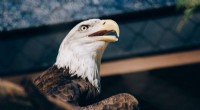
* Bird Migration: While not strictly human-led, the seasonal migrations of birds are a natural example of transhumance, where animals move to different locations based on food availability and climate.
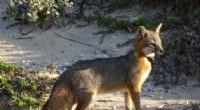
* Wildlife Movement: Many wild animals, such as deer, elk, and caribou, exhibit seasonal movements in search of food and better breeding conditions, a form of natural transhumance.
These are just a few examples of the many ways that transhumance has been and continues to be practiced around the world. It's a fascinating practice that reflects the interconnectedness between people, animals, and the environment.