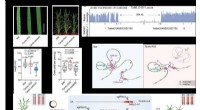
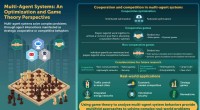
1. Written Reports:
* Scientific papers: This is the most common format for presenting original research findings. They typically include an abstract, introduction, methods, results, discussion, and references.
* Technical reports: These reports often focus on specific technical aspects of a project or research area. They can be used for internal communication or for sharing information with collaborators.
* Reviews: These articles synthesize and evaluate existing research on a particular topic. They provide an overview of the field and identify important gaps in knowledge.
2. Visualizations:
* Graphs: Graphs are a powerful way to visualize relationships between variables. Common types of graphs used in science include bar charts, line graphs, scatter plots, and histograms.
* Maps: Maps are used to display spatial data, such as the distribution of species or the location of environmental hazards.
* Images: Photographs, diagrams, and other images can be used to illustrate data or provide visual evidence of phenomena.
3. Presentations:
* Oral presentations: Scientists often present their findings at conferences, seminars, and workshops. These presentations typically include a brief overview of the topic, a description of the methods used, a summary of the results, and a discussion of the implications of the findings.
* Posters: Posters are a common way to present research at conferences. They typically include a concise summary of the research, along with key findings and visualizations.
4. Other Methods:
* Data tables: Data tables provide a structured way to organize and present numerical data.
* Interactive websites and apps: These tools can be used to create engaging and interactive experiences for users, allowing them to explore data and draw their own conclusions.
* Social media: Some scientists use social media platforms like Twitter and Facebook to share their research findings with a wider audience.
Key Principles of Scientific Data Presentation:
* Clarity: The presentation should be clear and easy to understand, regardless of the audience's level of expertise.
* Accuracy: The data presented should be accurate and reliable.
* Objectivity: The presentation should be objective and avoid bias.
* Relevance: The data presented should be relevant to the topic at hand and should be presented in a way that is informative and engaging.
By using these methods and adhering to these principles, scientists can effectively communicate their research findings to a wide audience and contribute to the advancement of knowledge.