* The sheer diversity of life: There are millions of species, and we haven't discovered or even estimated the total number.
* Different environments: The abundance of organisms varies wildly depending on the habitat. For example, bacteria are incredibly abundant in soil, while multicellular organisms dominate forests.
* The "hidden" biosphere: We have limited knowledge of organisms living in extreme environments, deep underground, or in the ocean depths.
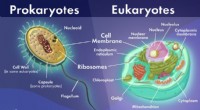
However, we can say that unicellular organisms are far more abundant than multicellular organisms in terms of sheer number. This is because:
* They are incredibly small: This allows them to inhabit a wide range of environments and thrive in high densities.
* They reproduce quickly: Unicellular organisms like bacteria can reproduce asexually at a much faster rate than multicellular organisms.
* They are incredibly diverse: They represent a vast array of life forms, including bacteria, archaea, protozoa, and algae.
Multicellular organisms, while less abundant, are also incredibly important for the biosphere. They form the basis of food chains, provide ecosystem services, and are responsible for much of the planet's biodiversity.
To illustrate the difference in abundance:
* Bacteria: It's estimated there are around 5 nonillion (5 x 10^30) bacteria on Earth, outnumbering all other organisms combined.
* Humans: There are around 8 billion humans on Earth.
This comparison shows the vast difference in numbers between unicellular and multicellular organisms.
In conclusion, while the exact numbers are difficult to determine, it's safe to say that unicellular organisms dominate the Earth in terms of sheer abundance, while multicellular organisms are incredibly diverse and play critical roles in the biosphere.