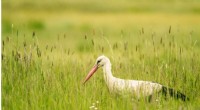
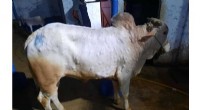
* Organisms: Individual living things, like a single tree, a specific deer, or a particular bacteria.
* Populations: Groups of the same species living in the same area, like all the deer in a forest.
* Communities: All the different populations of organisms living and interacting in a specific area. This includes plants, animals, fungi, bacteria, and everything else.
* Ecosystems: Include the community of organisms plus their non-living environment (soil, water, climate, etc.).
So, communities are made up of organisms, but they are more than just a collection of individual organisms. They are the result of interactions between populations, and they are crucial parts of larger ecosystems.
Think of a forest. It's made up of trees, squirrels, deer, birds, insects, worms, fungi, bacteria, and more. All of these different populations make up the forest community. They interact with each other (deer eat plants, birds eat insects, worms break down dead leaves) and rely on the environment (sunlight, water, soil) to survive. The forest as a whole, including the organisms and their environment, is an ecosystem.