Cellular Pathogens:
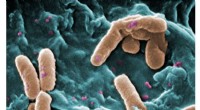
* Bacteria: Single-celled organisms that can cause a wide range of diseases.
* Viruses: Non-living entities that consist of genetic material (DNA or RNA) enclosed within a protein coat. They require a host cell to replicate.
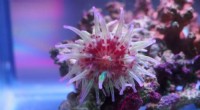
* Fungi: Eukaryotic organisms that can be single-celled (yeasts) or multicellular (molds).
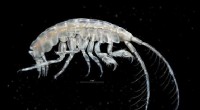
* Parasites: Organisms that live in or on another organism (the host) and benefit at the host's expense. Examples include protozoa (single-celled organisms) and helminths (worms).
Molecular Pathogens:
* Prions: Misfolded proteins that can cause other proteins to misfold, leading to disease. These are not technically cells, but are considered pathogens because of their disease-causing properties.
* Toxins: Poisonous substances produced by certain bacteria, fungi, or plants. These are molecules that can harm the host, leading to illness.
In summary:
* Cellular pathogens are living organisms that can cause disease.
* Molecular pathogens are non-living entities that can cause disease, including misfolded proteins and poisonous molecules.