Anaerobic life refers to organisms that can survive and thrive in environments devoid of oxygen, or with very low oxygen levels. These organisms have evolved unique metabolic pathways that allow them to obtain energy without using oxygen.
Here's a breakdown of the key aspects of anaerobic life:
1. Oxygen is Toxic:
* Oxygen is essential for many life forms, including humans, but for anaerobes, it can be poisonous.
* Oxygen reacts with key molecules in their cells, damaging them and interfering with their metabolic processes.
2. Energy Production Without Oxygen:
* Anaerobic organisms use different metabolic pathways to generate energy compared to oxygen-breathing organisms.
* They typically rely on fermentation or anaerobic respiration, which use alternative electron acceptors instead of oxygen.
3. Diverse Environments:
* Anaerobic life thrives in various environments like:
* Deep oceans: Where sunlight and oxygen are scarce.
* Sewage treatment plants: Rich in organic matter but low in oxygen.
* Animal intestines: Providing a unique ecosystem for gut bacteria.
* Certain types of soil: Where oxygen levels are limited.
4. Examples of Anaerobic Organisms:
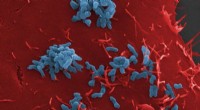
* Bacteria: Many types of bacteria, like E. coli and Clostridium, are anaerobic.
* Archaea: These single-celled organisms, like methanogens, are often found in extreme environments.
* Protozoa: Some protozoa, like Giardia, are anaerobic and can cause infections in humans.
5. Importance of Anaerobic Life:
* Essential for nutrient cycling: Anaerobic bacteria play a vital role in breaking down organic matter and releasing nutrients.
* Industrial applications: Anaerobic bacteria are used in various industries like wastewater treatment and biofuel production.
* Potential for future research: Studying anaerobic organisms can lead to new discoveries in areas like bioremediation and the development of new pharmaceuticals.
Understanding anaerobic life is crucial for:
* Environmental science: To assess the impact of human activities on various ecosystems.
* Medicine: To understand the causes and treatments of anaerobic infections.
* Biotechnology: To harness the potential of anaerobic organisms for various applications.
In conclusion, anaerobic life represents a fascinating and diverse group of organisms that have adapted to survive in oxygen-limited environments. They play a crucial role in the global ecosystem and hold great potential for future scientific and industrial applications.