How resin is like a fossil:
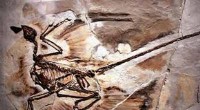
* Preservation: Both resin and fossils preserve ancient organisms or materials. Resin traps insects, plants, and other small creatures, preserving them in incredible detail. Similarly, fossils preserve the remains of ancient life forms.
* Time capsule: Both can offer a glimpse into the past. Resin can reveal information about ancient ecosystems, including the types of plants and animals that lived in the area. Fossils tell us about the history of life on Earth, including the evolution of species and the changes in the environment over time.
* Hardening: Both resin and fossils can harden over time. Resin, when it fossilizes, becomes amber, a hard, transparent substance. Fossils are formed by the replacement of organic material with minerals, creating a hard, preserved structure.
Key Differences:
* Formation: Resin is formed from the sap of trees, while fossils are formed by the burial and mineralization of organic material.
* Material: Resin is organic material, while fossils can be composed of minerals, bone, or other materials.
* Scope: Resin typically preserves small organisms and objects, while fossils can preserve entire skeletons, plants, and even trace fossils like footprints.
Conclusion:
While not identical, the analogy between resin and fossils highlights their shared ability to preserve remnants of the past. Both provide valuable insights into the history of life on Earth.