Here's why:
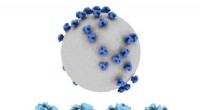
* Hydrophilic heads: The phosphate group of a phospholipid is hydrophilic (water-loving), meaning it interacts readily with the watery environment inside and outside the cell.
* Hydrophobic tails: The fatty acid chains of a phospholipid are hydrophobic (water-fearing), and they face inwards, away from the water.
This arrangement creates a stable barrier that separates the inside of the cell from the outside environment. The phospholipid bilayer is also selectively permeable, meaning it controls what substances can pass through the membrane.