Here's why:
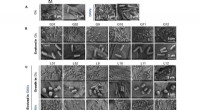
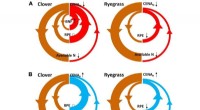
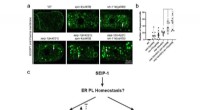
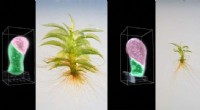
* Data Visualization: This involves presenting data in a visual format, such as graphs, charts, maps, or diagrams. It allows scientists to:
* Spot trends: Quickly identify patterns that might be difficult to discern from raw data alone.
* Reveal relationships: See how different variables interact, leading to unexpected correlations or insights.
* Identify outliers: Highlight unusual data points that may warrant further investigation.
* Communicate findings: Effectively share their results with colleagues and the wider scientific community.
Examples:
* A scatter plot might show a relationship between temperature and plant growth that wasn't obvious from a table of numbers.
* A heat map could reveal geographic patterns in disease distribution that weren't immediately clear.
* A network diagram might illuminate connections between proteins in a biological pathway.
Other tools that can aid interpretation but might not necessarily reveal unexpected patterns include:
* Statistical analysis: Used to quantify relationships and test hypotheses, but often relies on prior expectations.
* Machine learning: Can uncover hidden patterns in complex datasets, but may require extensive data and expert knowledge to interpret.
* Simulation modeling: Can test hypotheses and predict outcomes, but is based on existing knowledge and assumptions.
While these tools are valuable, data visualization stands out as a powerful tool for uncovering unexpected patterns and driving scientific discovery.