DNA and mRNA are both nucleic acids, but they have distinct roles in the cellular machinery. Here's a breakdown of their key differences:
1. Structure:
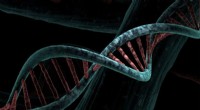
* DNA: Double-stranded helix, with two antiparallel strands held together by hydrogen bonds between complementary base pairs (Adenine with Thymine, Guanine with Cytosine).
* mRNA: Single-stranded molecule, with a sequence complementary to one strand of DNA. It contains uracil instead of thymine.
2. Function:
* DNA: Contains the genetic blueprint of an organism, providing instructions for building and maintaining life. It serves as the long-term storage of genetic information.
* mRNA: Acts as a messenger molecule, carrying genetic information from DNA to the ribosomes, where proteins are synthesized. It's a temporary copy of the DNA sequence needed for protein production.
3. Location:
* DNA: Primarily located in the nucleus of eukaryotic cells, where it's organized into chromosomes.
* mRNA: Synthesized in the nucleus, then transported to the cytoplasm where protein synthesis occurs.
4. Stability:
* DNA: Highly stable molecule, protected within the nucleus by histone proteins.
* mRNA: Less stable than DNA, with a shorter lifespan. It's degraded after being used in protein synthesis.
5. Base Composition:
* DNA: Contains four nitrogenous bases: adenine (A), guanine (G), cytosine (C), and thymine (T).
* mRNA: Contains four nitrogenous bases: adenine (A), guanine (G), cytosine (C), and uracil (U).
Analogy:
Imagine DNA as a blueprint for building a house. mRNA is like a photocopy of the blueprint that's sent to the construction site (ribosome) where the house (protein) is actually built.
In Summary:
DNA is the master copy of genetic information, while mRNA is a temporary copy used for protein synthesis. They work together to ensure the proper functioning of the cell and the organism as a whole.