1. Archaea: Single-celled organisms that lack a nucleus and are often found in extreme environments like hot springs or highly saline water.
2. Bacteria: Single-celled organisms without a nucleus, but they are incredibly diverse and found everywhere on Earth.
3. Protista: A diverse kingdom of mostly single-celled eukaryotic organisms (meaning they have a nucleus) that includes algae, amoebas, and slime molds.
4. Fungi: Multicellular eukaryotes (with some exceptions) that obtain nutrients by absorbing organic matter, like mushrooms, yeasts, and molds.
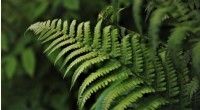
5. Plantae: Multicellular eukaryotic organisms that are mostly photosynthetic, meaning they produce their own food using sunlight, like trees, flowers, and ferns.
6. Animalia: Multicellular eukaryotic organisms that are heterotrophic (meaning they must eat other organisms to survive) and can move independently, like mammals, birds, reptiles, insects, and fish.
It's important to remember that the classification of life is constantly evolving as scientists discover new species and learn more about existing ones.